
The Environment section controls how the viewport shows your work. Nothing here ever changes the geometry — it changes what you see, which changes what you sculpt.
The three shading modes
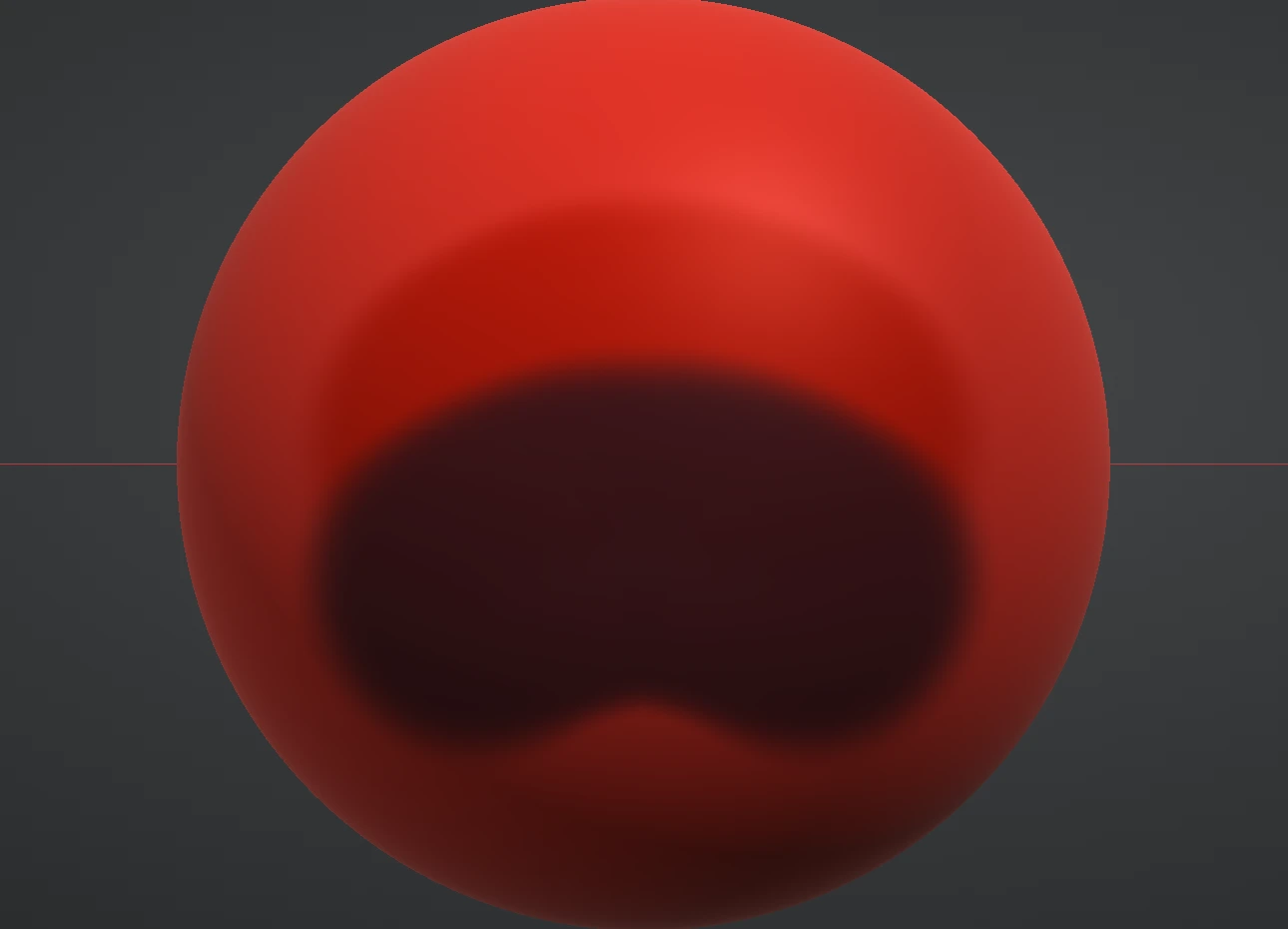
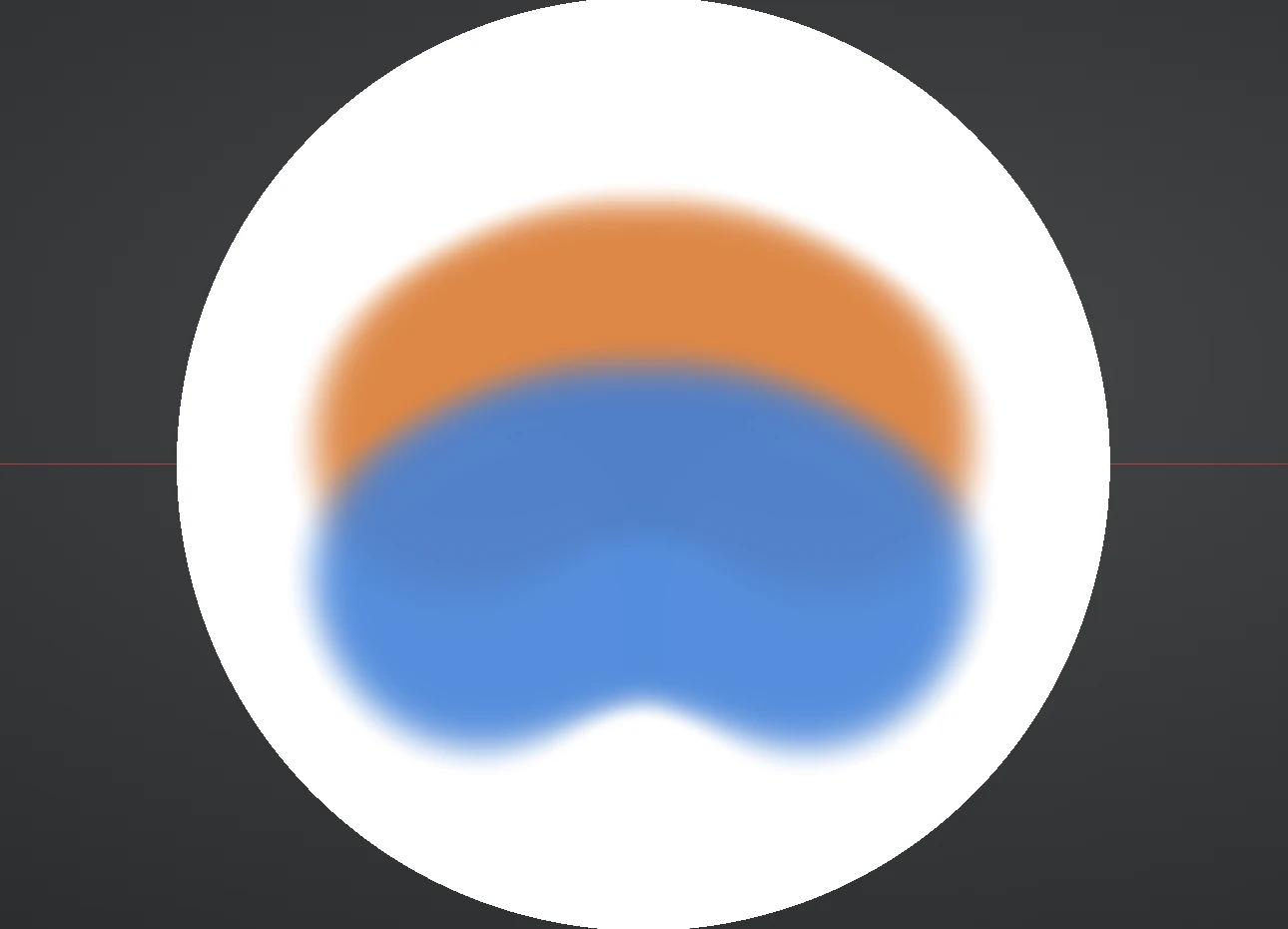
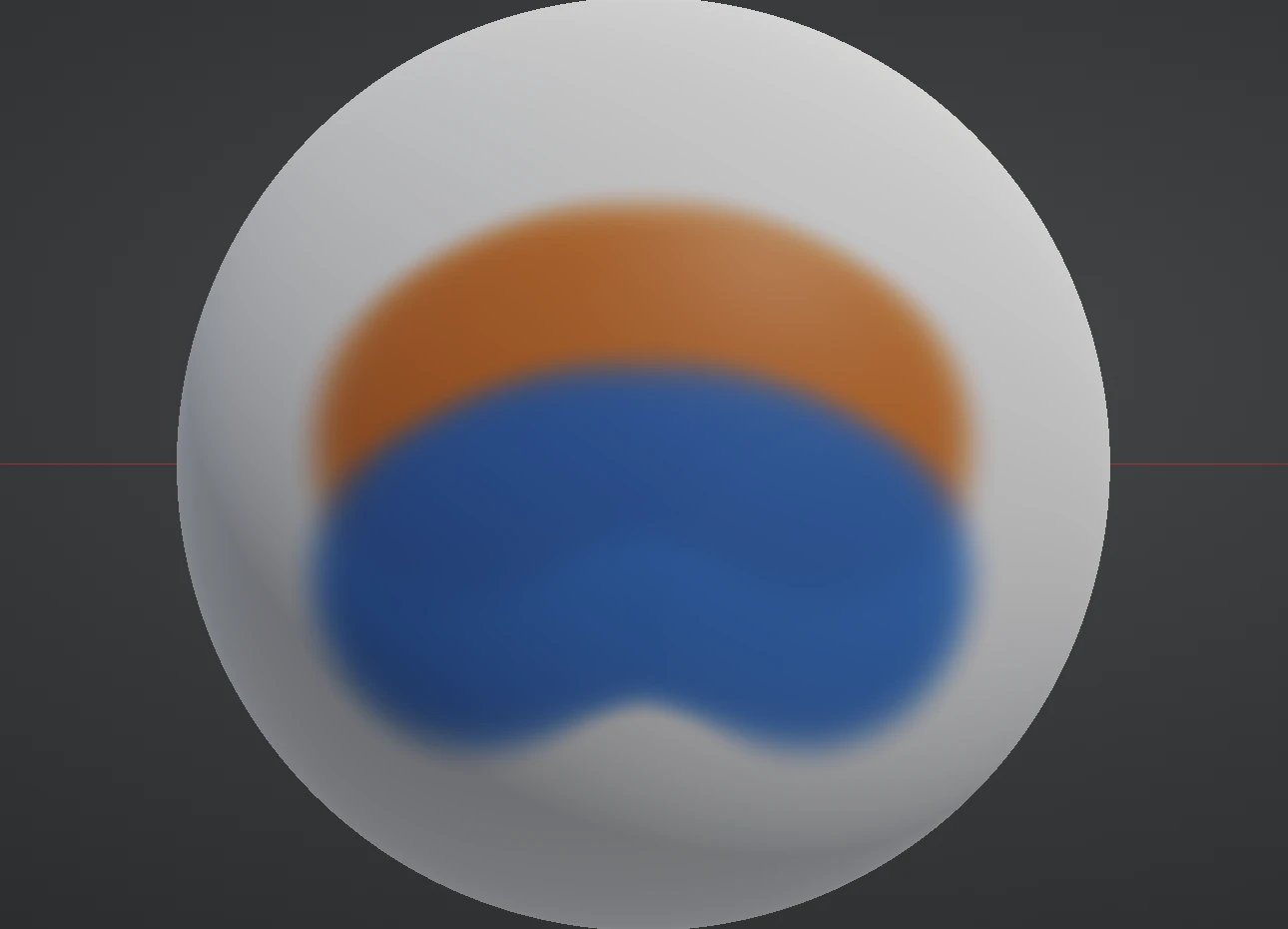
- Matcap — the classic sculpting display: a material captured into an image, giving strong, consistent form readout at any angle. Painted colour tints it. This is the mode to sculpt in.
- Unlit — the flat painted colour, no lighting at all. The mode for judging colour choices honestly.
- Lit (PBR) — physically-based rendering: your paint's colour, roughness and metalness under a studio light rig. The mode for painting materials and judging the final look.
Materials (Matcap mode)
In Matcap mode the Material dropdown picks the sculpt's look — sixteen materials from clay and red wax through skin, pearl, jade, gold, marble, obsidian, bronze, copper, silver and more. Purely display: switch freely, sculpt identically. Red wax is the default; charcoal and bone are gentle on the eyes in long sessions, and a periodic check in skin or marble shows form honestly because their response differs.
The light rig (Lit mode)
Switch Shading to Lit and the Lighting controls appear:
- Light angle / Light height — where the key light sits around and above the model. It's camera-locked, so the lighting travels with your view.
- Light — the key light's strength.
- Environment — the image-based studio light that fills shadows and makes metals read. Metal with no environment looks black; this slider is why.
- Exposure — overall brightness, applied before tone mapping.
- Bloom — the soft glow around bright highlights.
Overlays
Around the model itself: the Grid section toggles the Ortho measurement grid and the Perspective floor plane, plus the X / Y / Z axis guide lines. The View menu adds wireframe, smooth shading, an FPS counter and fullscreen. None of it appears in renders — scaffolding stays out of the picture.
Form-check habit: orbit slowly in Matcap. The way highlights sweep across the surface exposes lumps and dents that a still view hides.