
Every brush in the Planes group works the surface against a flat reference plane fitted to the area under the cursor. They're the difference between blobby sculpts and structured ones — planes are what make a form look decided.
Flatten
Flatten levels the surface toward its average plane — peaks come down, valleys come up, everything meets in the middle. It's the fastest way to put facets and planes into an organic form.
Fill & Scrape
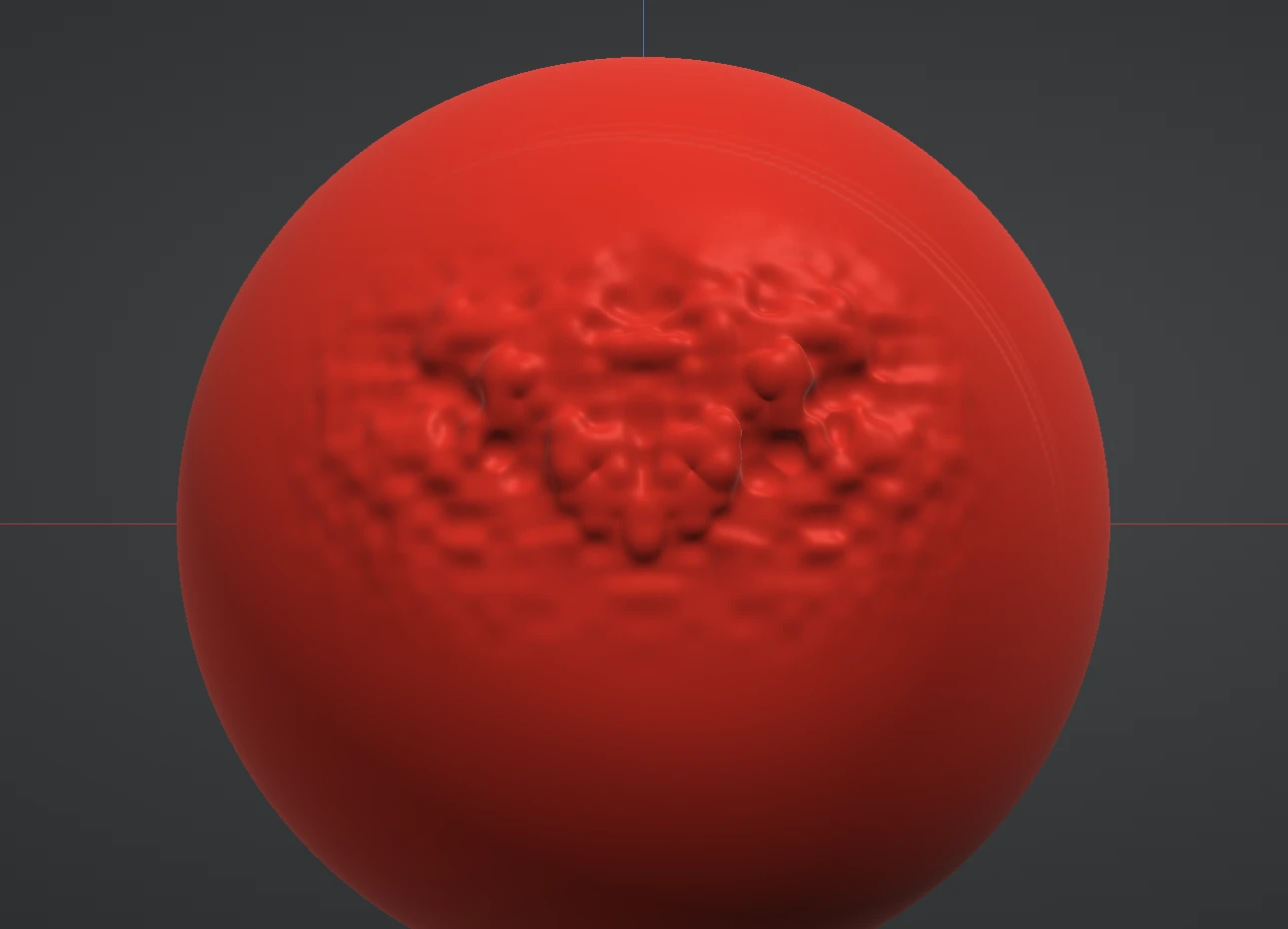
Fill and Scrape are Flatten split into its two halves:
- Fill raises only the valleys up to the plane; peaks stay put. Use it to fill pores, seams and unwanted cavities without touching surrounding detail.
- Scrape shaves only the peaks down to the plane; valleys stay put. Use it to knock the tops off bumps while keeping carved detail intact.
Trim
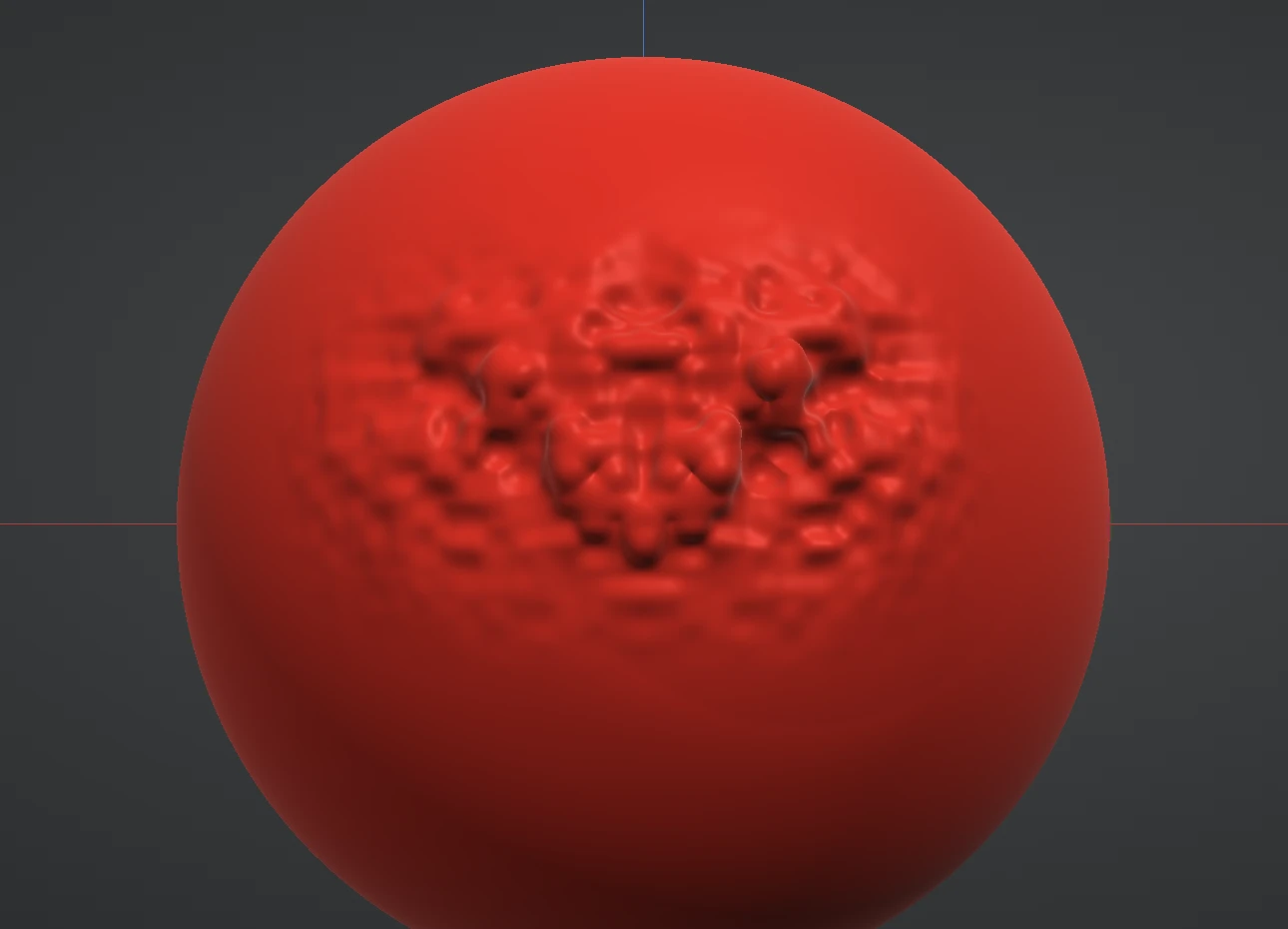
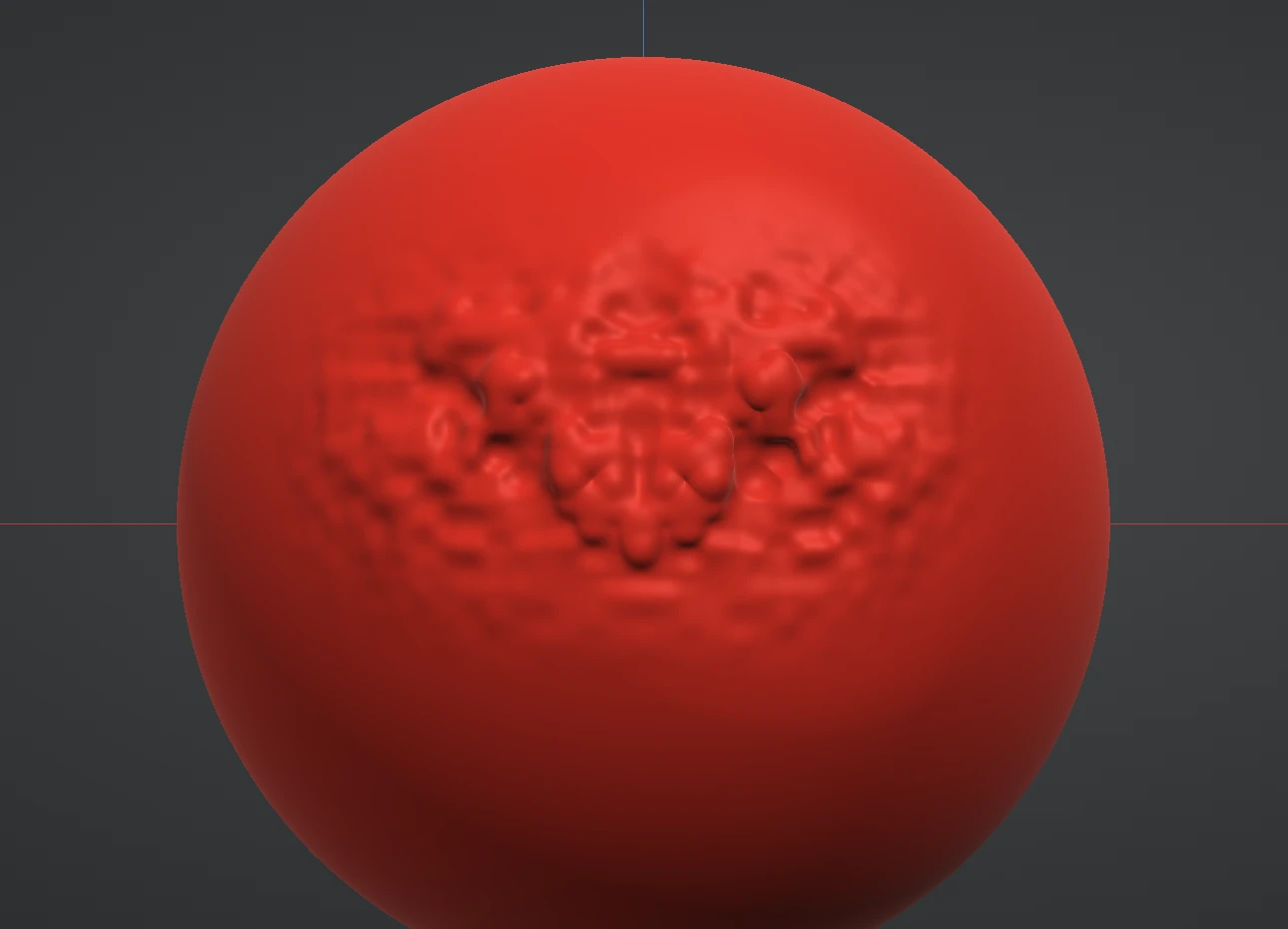
Trim is a planing rasp: it shaves the high spots off with a surface-following flat plane, chamfering forms into crisp facets as you drag. Where Flatten averages an area, Trim carpenters it — repeated passes plane a curve down into hard-surface flats.
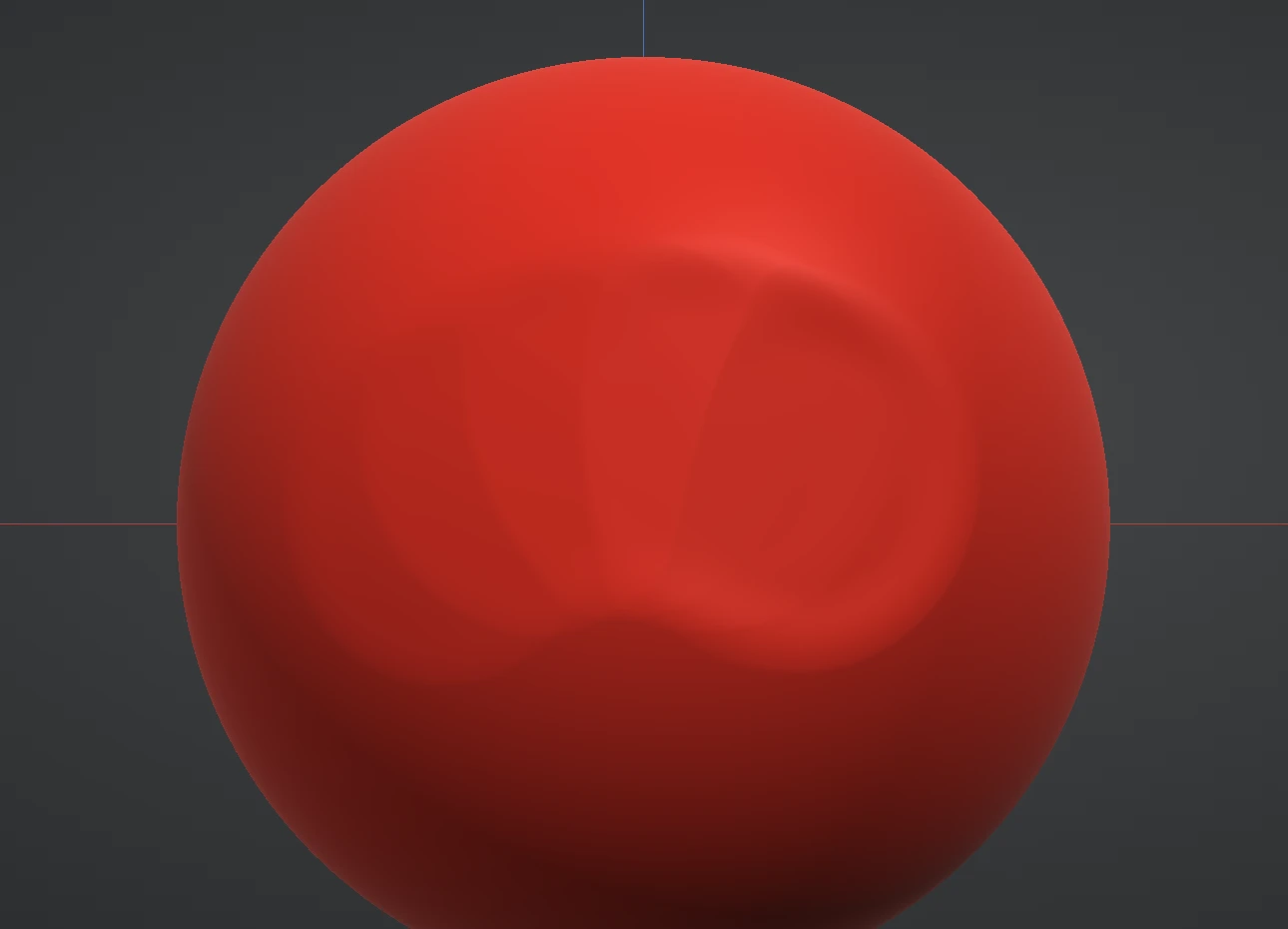
Plane brushes respond strongly to Falloff: at 1.0 they cut architectural, hard-edged planes; at 0 the plane feathers into the surrounding surface. See Size, strength & falloff.
Next: Grab & transforms.